Explore the many paths of learning at Woodlands Preserve!
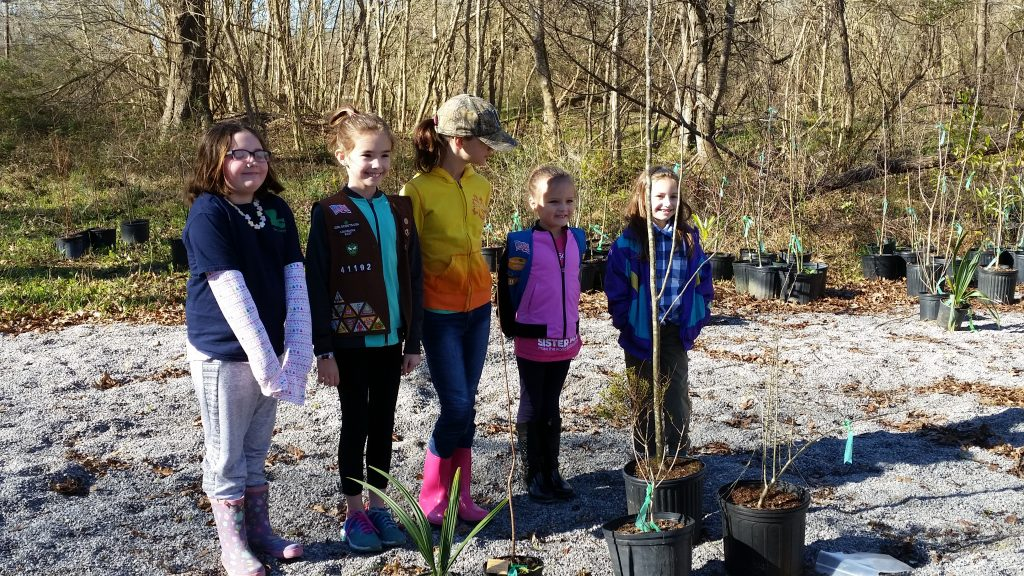
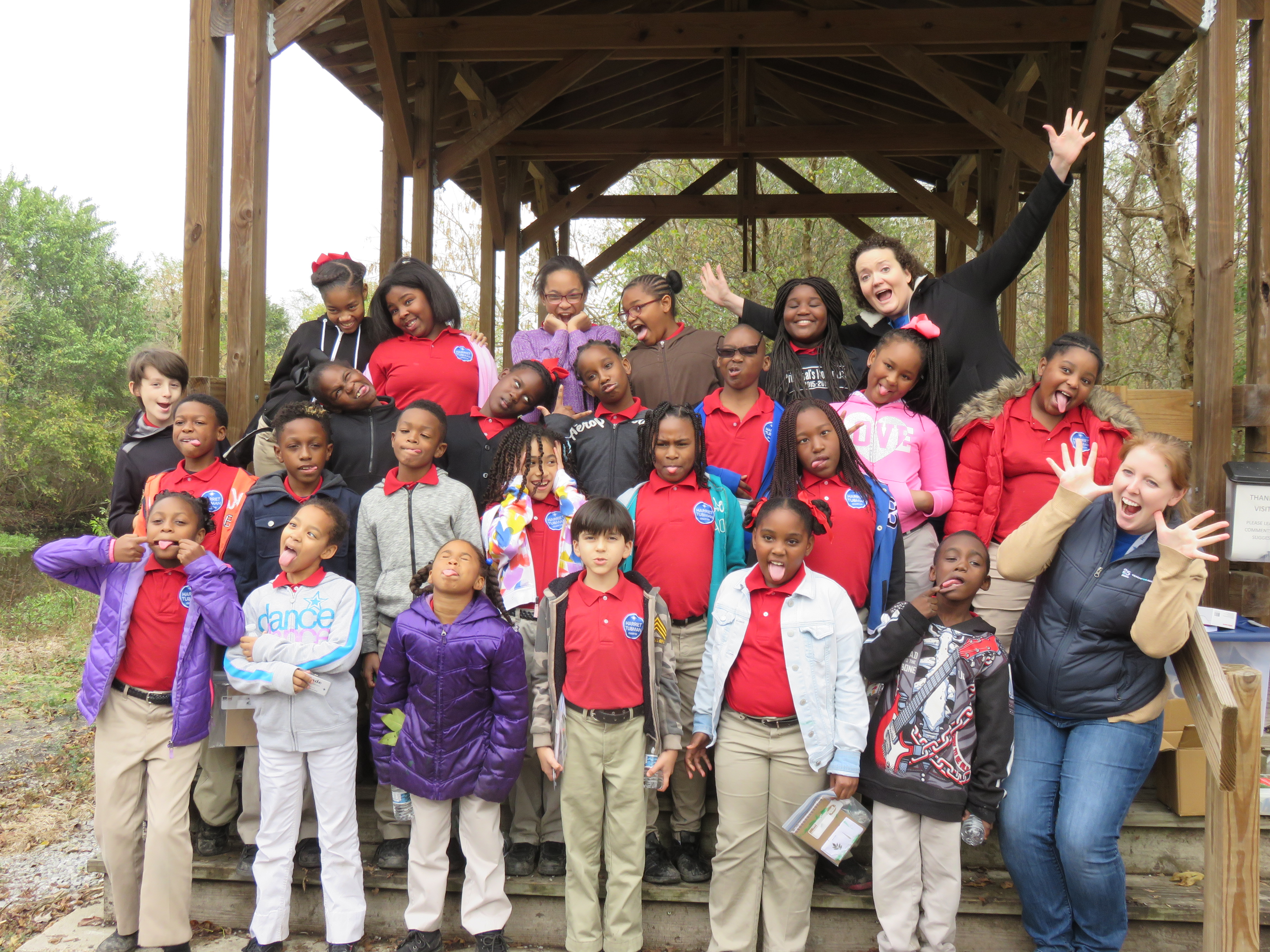
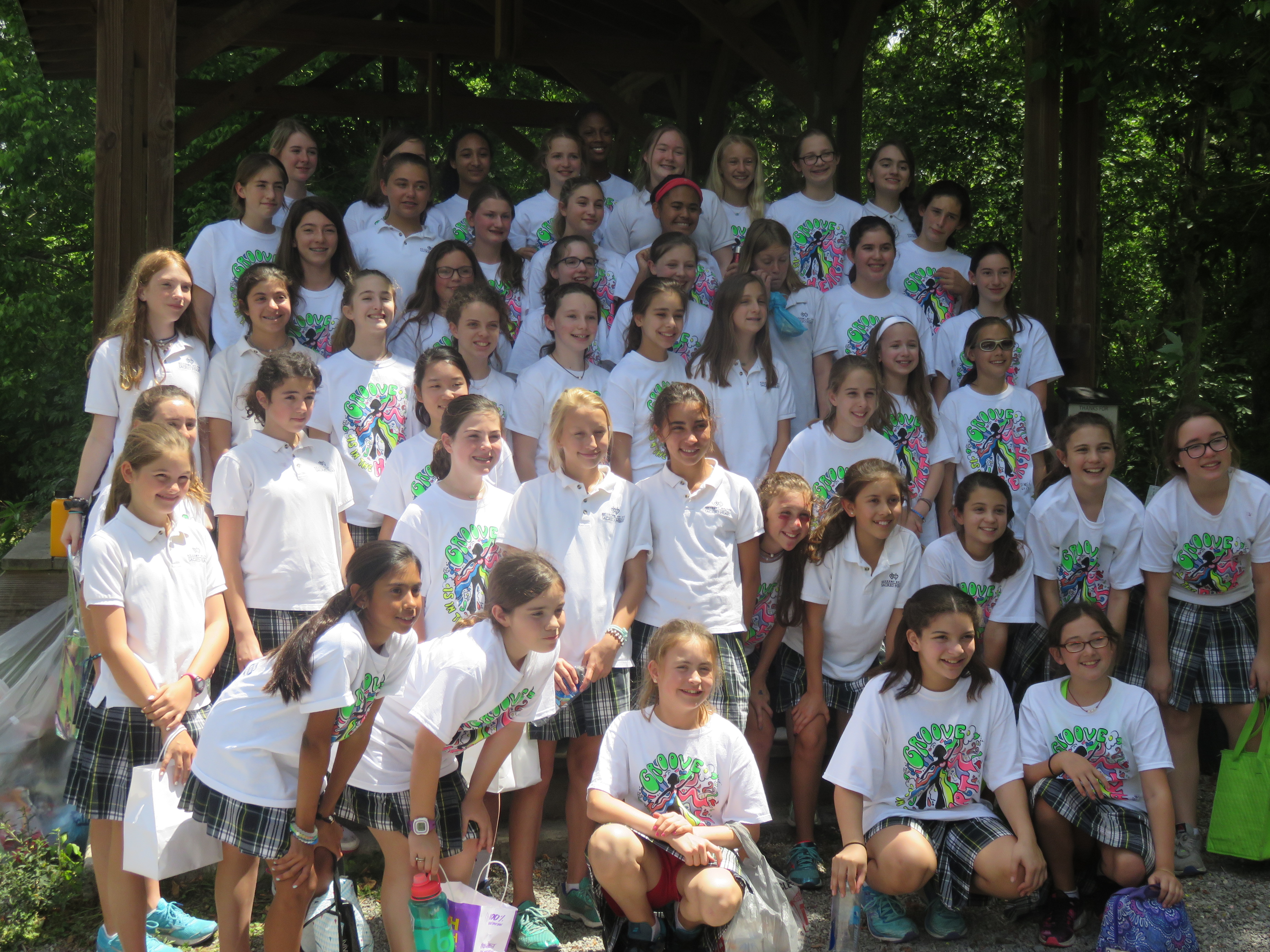
Woodlands Conservancy offers a variety of educational and service learning field trips designed for K-12 students and scout groups. All environmental programs incorporate grade level benchmarks, are appropriate for scouting badge requirements and can be customized to individual groups.
Home school groups, 4H, all scout groups and other organizations are all welcome.
For more information or to request a field trip for your class, please fill out the Field Trip Request form and contact us at 504-433-4000 or info@woodlandsconservancy.org.
If you would like to schedule a service project for your employees, special interest group or other non-school group, please complete the Service Project Request form.
School field trips are offered Monday through Friday, 9 a.m. – 3 p.m.
We are also happy to work with a teacher to customize a lesson for a specific topic or grade level.
Guided field trip activities are available for scouts and other groups upon request. We also offer volunteer and service project opportunities. Contact us for information on times, rates and opportunities.
CLICK THROUGH EACH TYPE OF FIELD TRIP TO LEARN MORE.
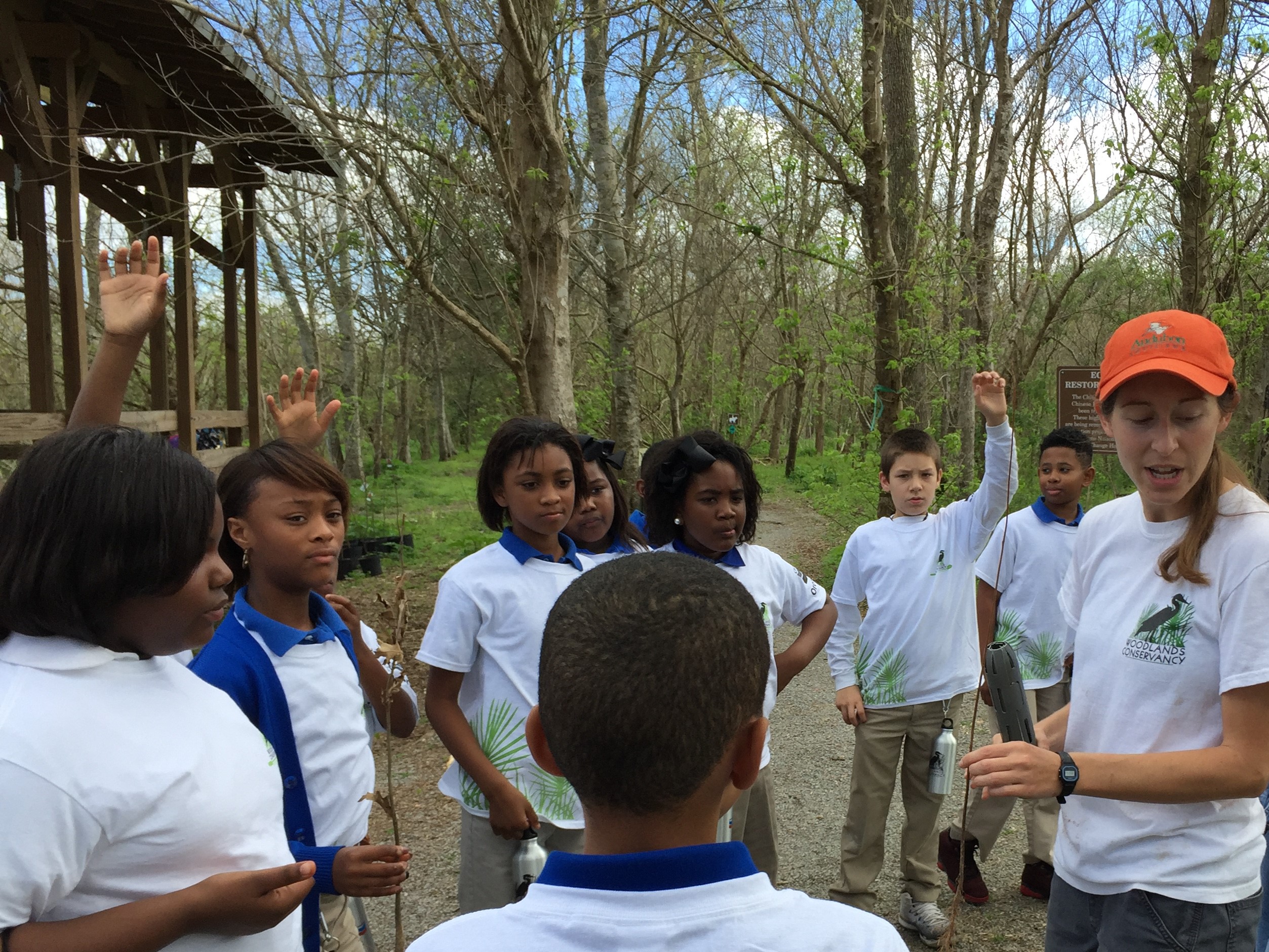
Students will learn about the environmental, military, and cultural history of Woodlands Trail. Guides will point out hurricane damage and discuss the importance of this area as a buffer during natural phenomena. Guides will also discuss the flora and fauna of the trail and continuing habitat restoration efforts. The trip can focus on aspects such as ecosystem interactions, species identification, benefits of the forest etc. to align with the students’ curriculum.
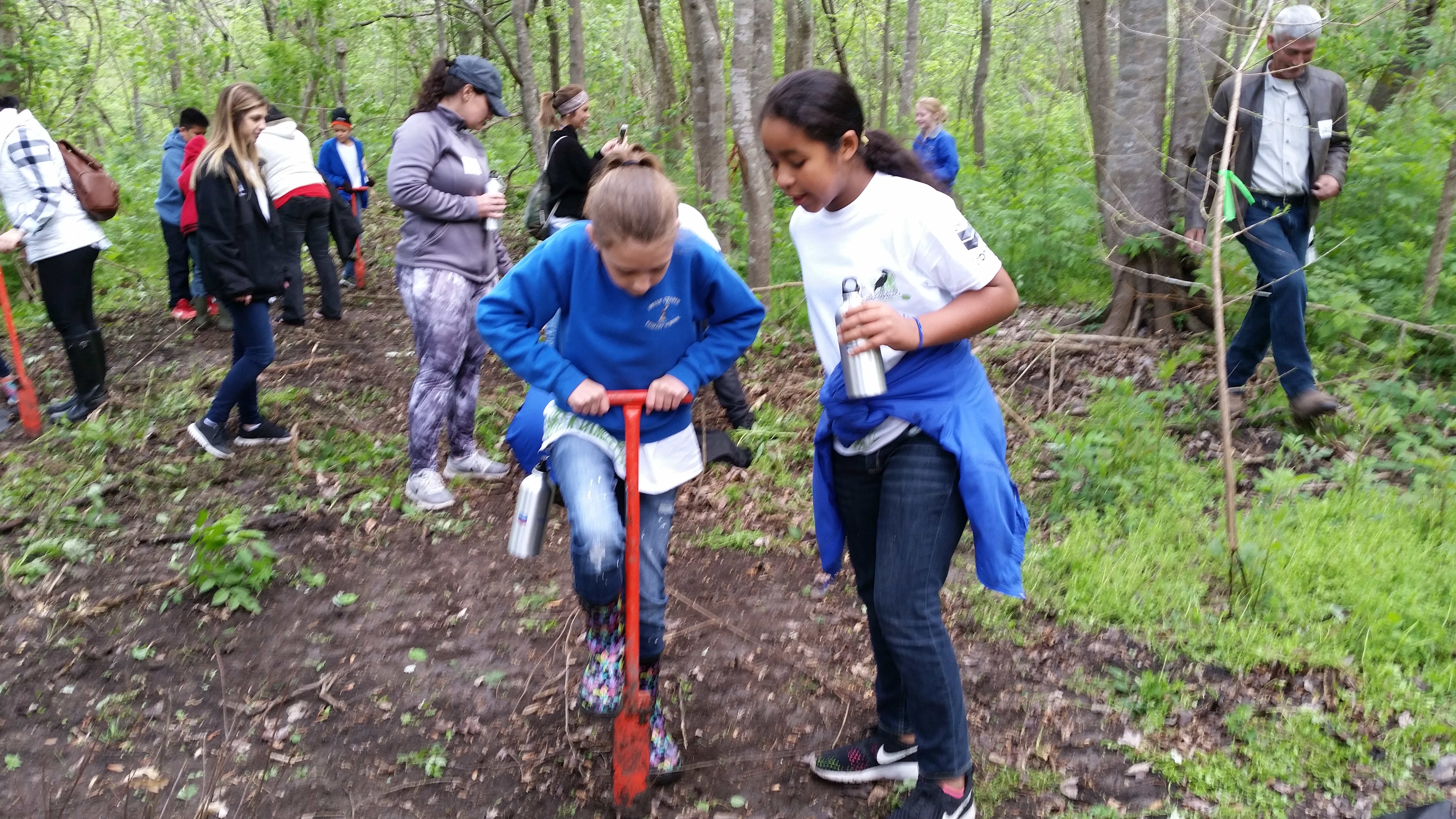
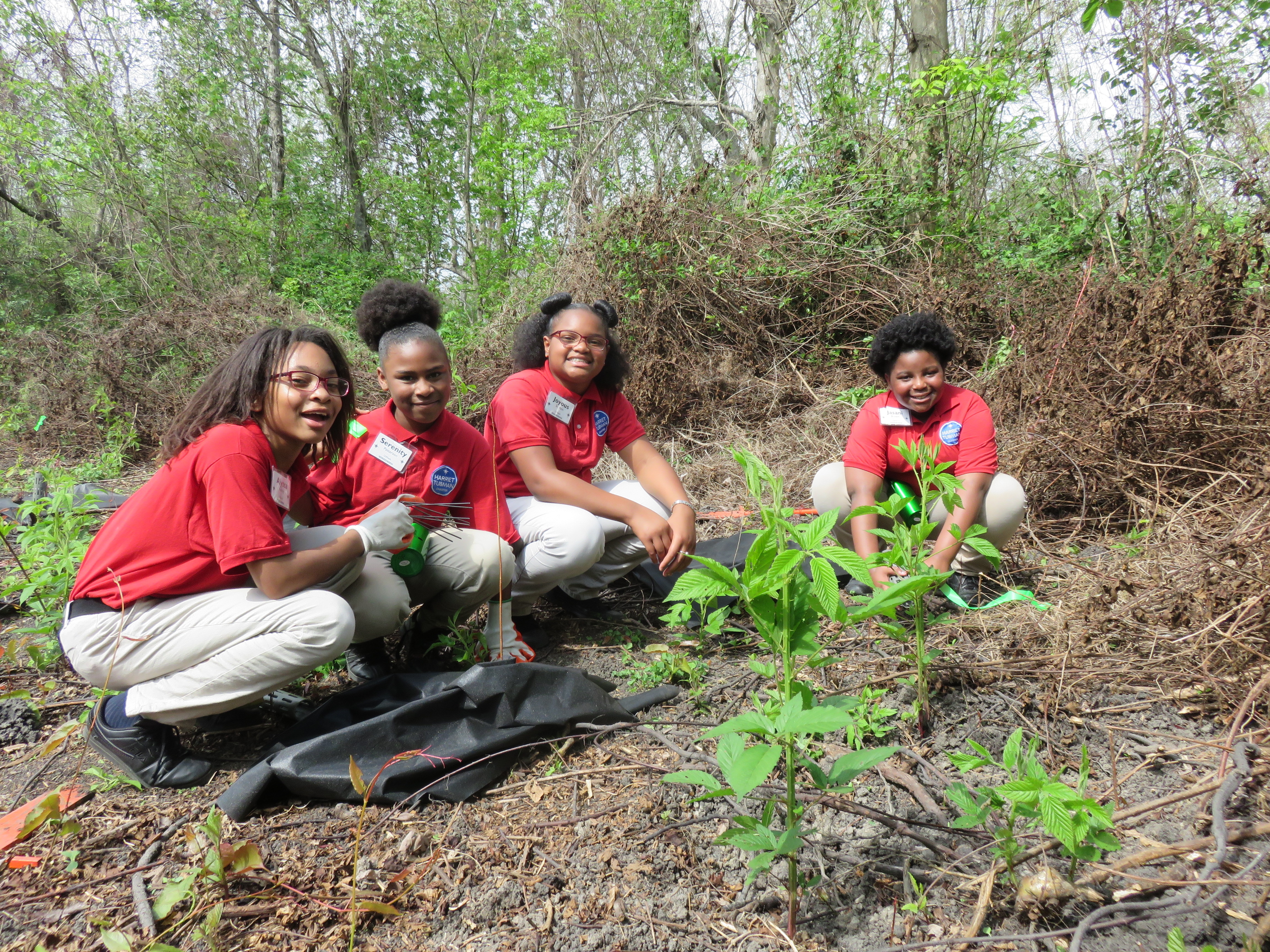
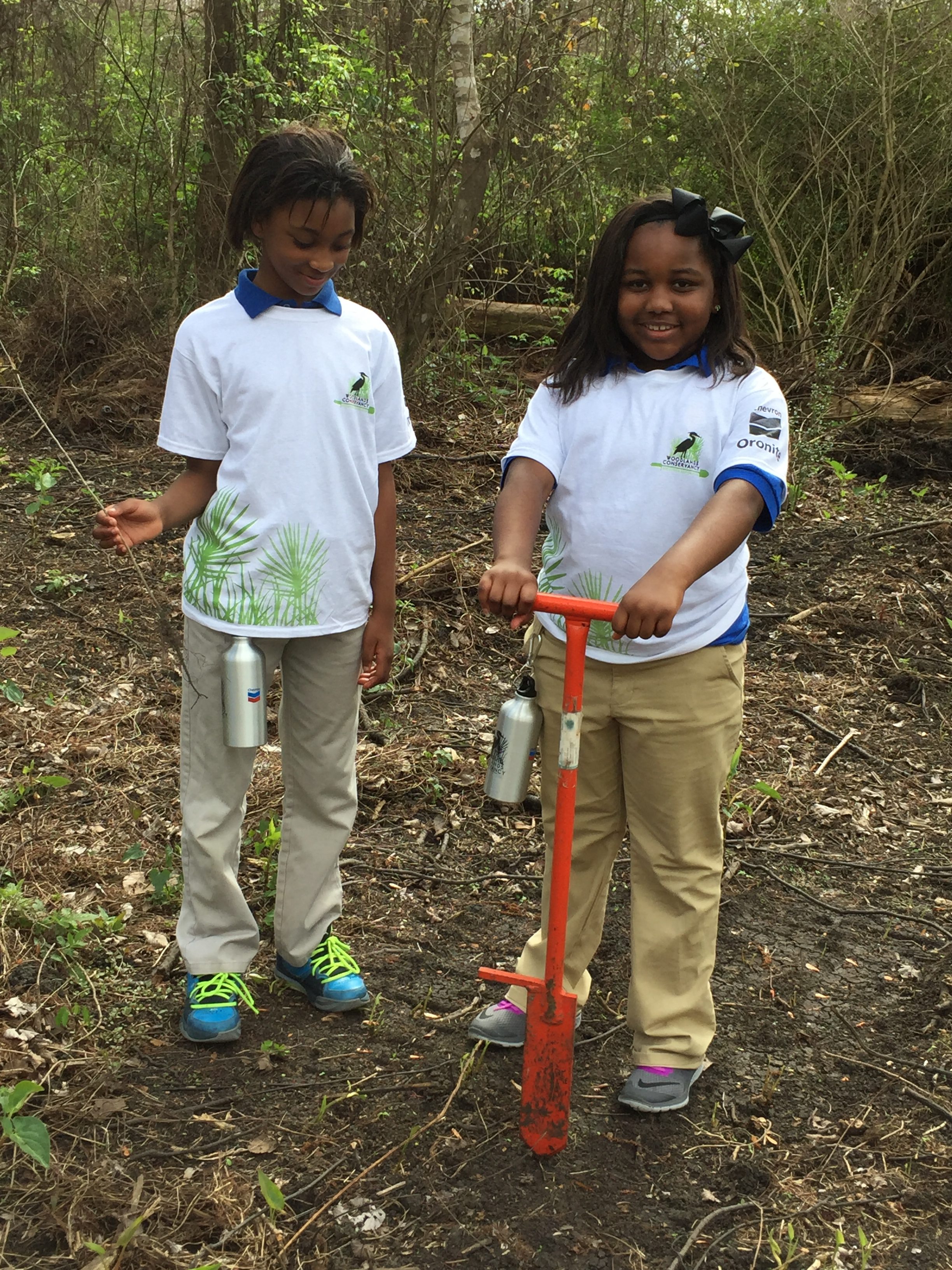
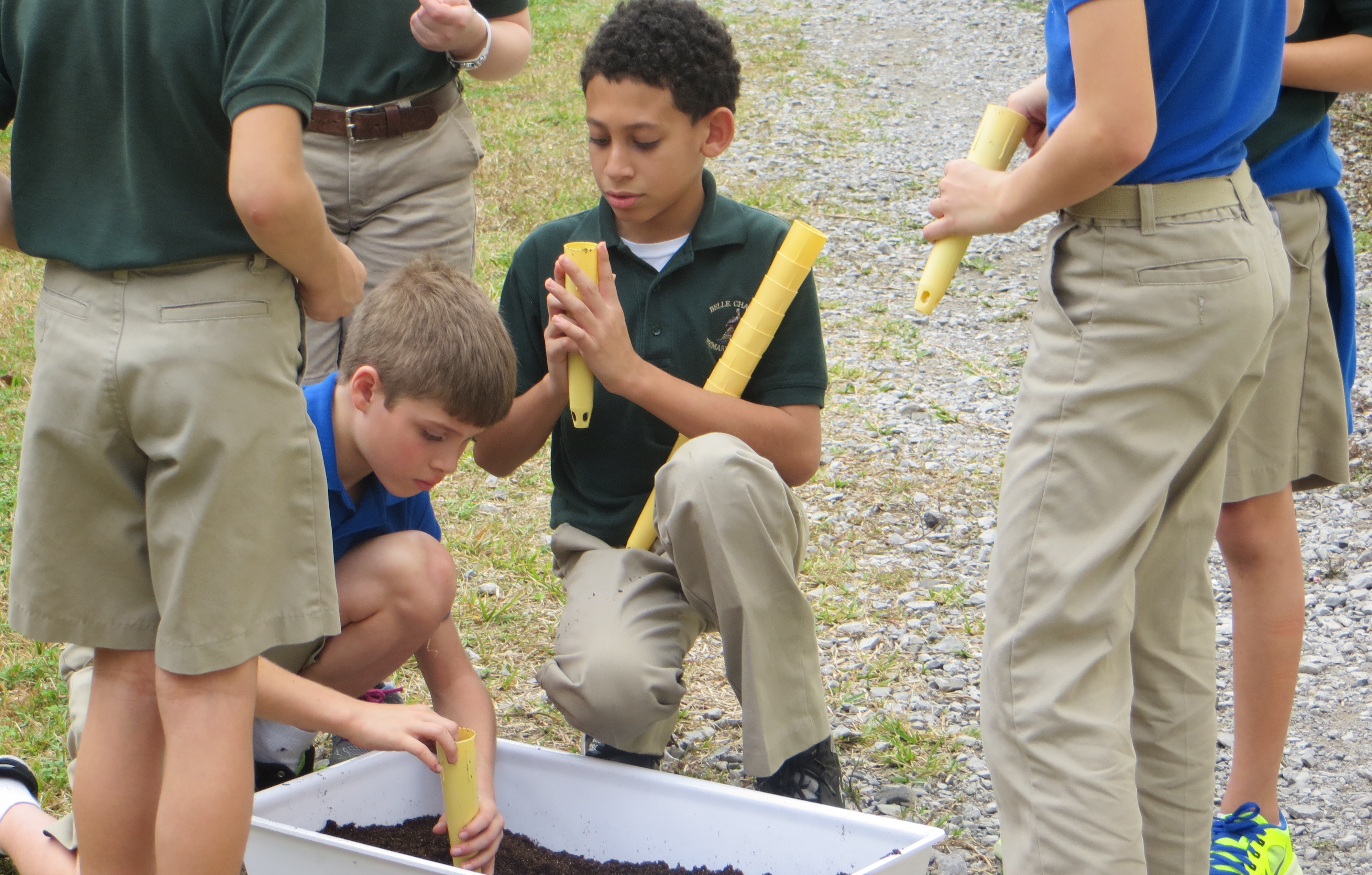
Students will learn about the function and value of forested wetlands and their many ecosystem roles. Students will participate in reforesting with native seedlings and trees in one of Woodlands Preserves reforestation plots.
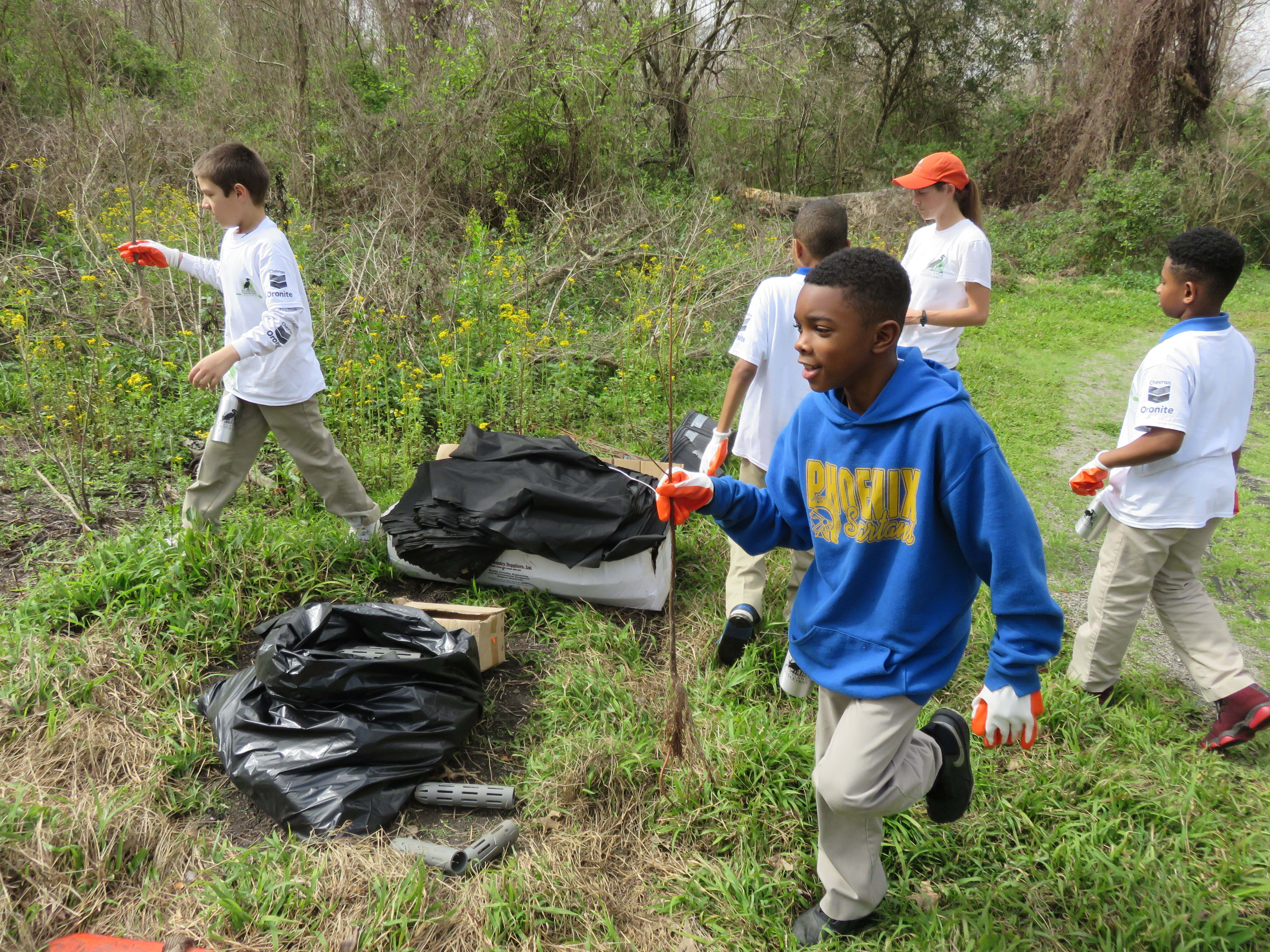
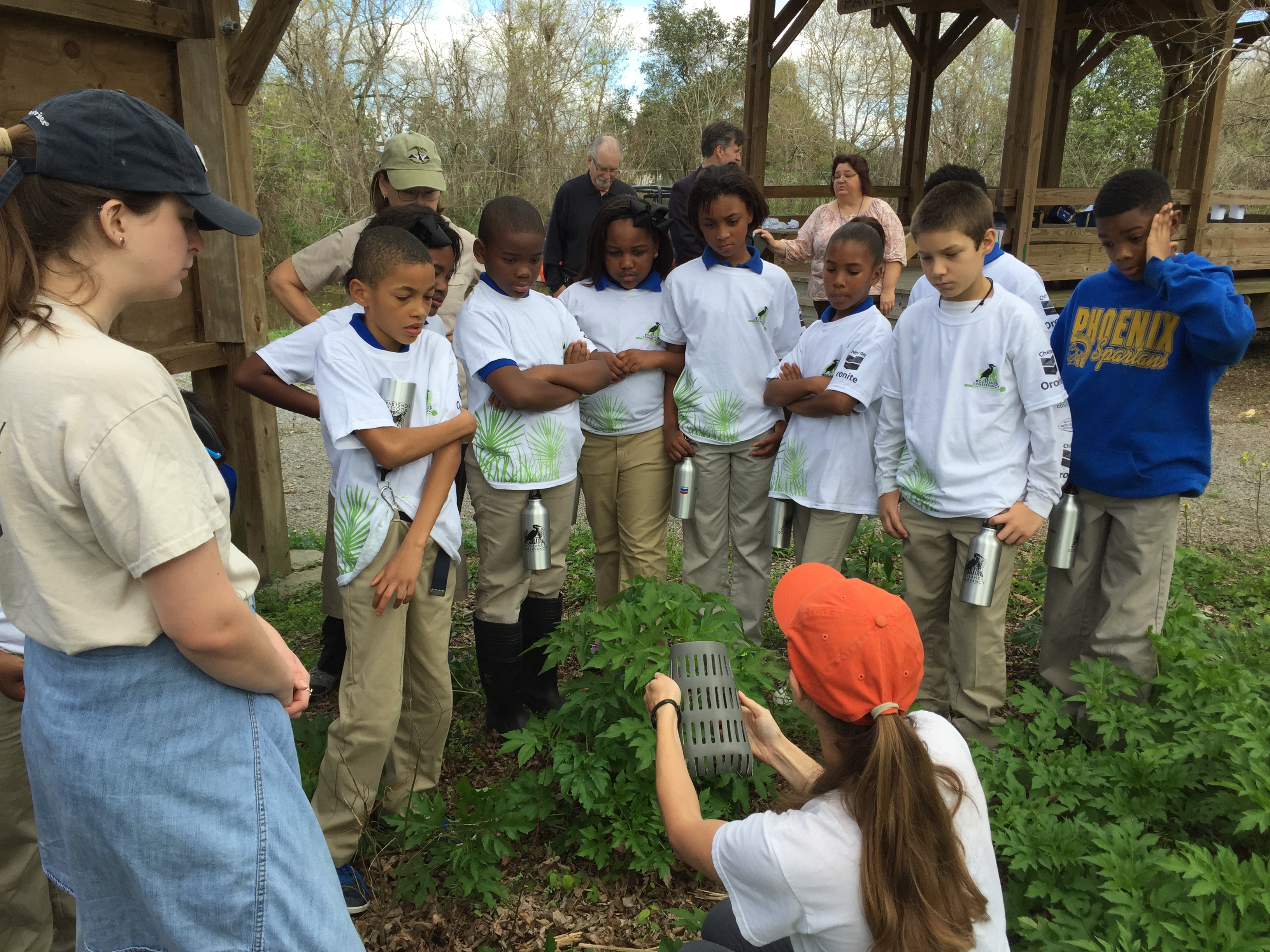
Students will learn about the function and value of native plants and trees to our ecosystem including the role of native habitat in sustaining wildlife and migratory birds. Students will learn about the non-native, invasive plants and trees that are common to our region. They will learn to identify Chinese Tallow and will participate in a hands-on activity to locate and remove Chinese Tallow from the forested area adjacent to a nature trail
Students will be introduced to native Louisianan plants and flowers and the important role these species play in creating a healthy habitat for pollinators. Participants will learn why native plants make a better environment for pollinators, learn about the relationship between gardens and pollinators, and even get the chance to plant their own native plant seedlings.
Best for an indoor lesson.
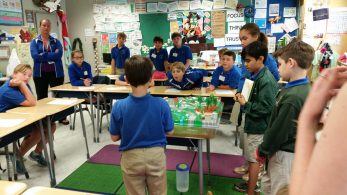
What is a watershed? How does pollution move through a watershed? What can we do to reduce the effects of pollution? Using an interactive model landscape, students will discover answers to these questions and brainstorm Best Management Practices that people can adopt to better their communities. Students will explore the function of wetlands to reduce the entry of various pollution sources into our waterways.
CURRENTLY UNAVAILABLE.
Students will test our canals at different locations to determine temperature, pH, turbidity, and dissolved oxygen. Students will then learn about the importance of each of these parameters to our local wildlife.